
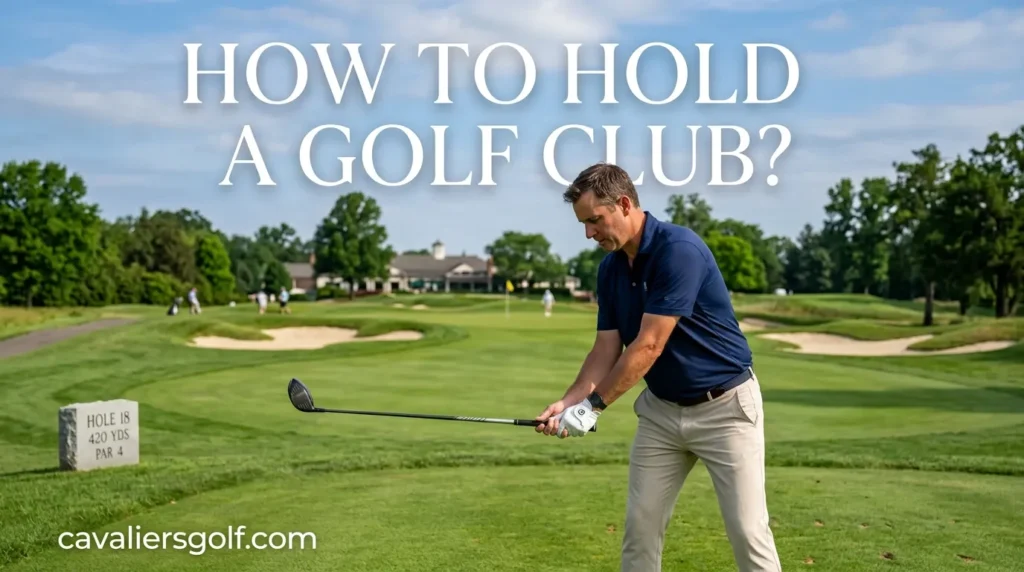
Getting your grip right is probably the most important fundamental in golf, yet it’s something a lot of players overlook. This guide breaks down everything you need to know about holding a club properly. We’ll go through why your grip matters so much, the three main grip styles golfers use, where your hands should actually sit on the club, and how to manage pressure during your swing. You’ll also learn about the mistakes most people make so you can skip them entirely. A solid grip gives you better control, more power, and way more consistency. Whether you’re just picking up golf or you’ve been playing for years, nailing this technique makes a real difference.
Grip Pressure Throughout Your Swing
Getting grip pressure right is one of those things that can really change your game. You want to keep it around 4-5 on a 1-10 scale, with 10 being a death grip. That pressure stays consistent through the whole swing.
Here’s how it should feel and what to watch for:
- Keep your grip at 4-5 throughout the swing (10 being maximum squeezing force)
- Firm enough to control the club, but loose enough for your wrists to hinge and release properly
- Your trail hand grips a bit lighter than your lead hand
- Too much pressure creates tension in your arms and shoulders
- Gripping too hard kills your swing speed and makes everything stiff
- Think of holding a small bird – tight enough it won’t fly away, but you’re not hurting it
The Importance of Proper Golf Club Grip
Your hands are the only thing connecting you to the club. That’s why getting the grip right matters so much. When you hold the club properly, you get better control over it. You’ll generate more power through your swing and hit more consistent shots. A good grip lets your hands and wrists move naturally during the swing while you still control where the clubface points. Think of grip fundamentals as the base everything else is built on. Your swing mechanics won’t work right without a solid foundation in how you hold the club.
Overlapping Grip Method
The Vardon grip is what most pros use. It’s all about how you position your hands to get them working together on the club. Here’s how to set it up:
- Start by putting your lead hand on the grip.
- Your trail hand goes on next – the lifeline should cover your lead hand’s thumb.
- Take the pinky finger of your trail hand and lay it over the index finger of your lead hand.
- Let that pinky settle in the gap between your index and middle fingers.
- Got bigger hands or longer fingers? This grip works great for you.
- Your hands coordinate really well with this method.
- You still keep good finger strength in each hand.
Lead Hand Grip Technique
For right-handed golfers, the lead hand is your left hand. Getting this hand positioned right is the first big step – and probably the most important one – when you’re working on your golf grip. We’re going to walk through how to place and position your lead hand on the club grip. The grip should run diagonally across your palm, starting from the base of your pinky and going up to just below the pad of your index finger. It rests against the middle joint of that index finger. Get your lead hand right, and everything else – trail hand, overall grip – falls into place.
Initial Lead Hand Placement
Getting the lead hand right is where everything starts. Here’s how to set up your hand on the grip properly. Start with the club held out in front of you.
- Hold the club in front of your body. Keep the club face square.
- Run the grip diagonally across your palm. It should go from the base of your pinky to just below the pad of your index finger.
- Let the club rest against the middle joint of your index finger.
Lead Hand Grip Details
Your lead hand sets up everything else in your grip. It’s where club control starts, so getting it right matters.
When you wrap your fingers around the grip, your thumb should run down the right side of the shaft. Look down at your setup – you should see 2 or 3 knuckles on that lead hand. The V formed between your thumb and index finger needs to point toward your right shoulder. As for pressure, think of holding a small bird. Firm enough so it won’t fly away, but not so tight you’d hurt it.
Ten-Finger Baseball Grip
The ten-finger baseball grip gets its name because you place all ten fingers on the club – just like holding a baseball bat. There’s no interlocking or overlapping going on here. Your hands sit side by side on the grip, with your trail hand right below your lead hand.
This grip works great for beginners who are just getting started. It’s also popular with junior golfers and anyone dealing with smaller hands or arthritis. The main advantage? You might get more clubhead speed compared to other grip styles, and it just feels more comfortable if the traditional grips don’t work for you.
Here’s what makes this grip different:
- All ten fingers stay on the club
- Hands don’t interlock at all
- No overlapping between your hands either
- Both hands sit next to each other on the grip
- Trail hand goes directly under the lead hand
- Great option for beginners learning the game
- Junior golfers can handle it easier
- Works well if you have smaller hands
- More comfortable when arthritis is an issue
- Can generate better clubhead speed than other grips
Trail Hand Grip Technique
Your trail hand (that’s the right hand if you’re a righty) needs to work together with your lead hand. Getting this right matters for controlling the club. Here’s how to set up your trail hand grip correctly.
- Put your trail hand on the grip so it works with your lead hand.
- The lifeline of your trail hand should sit right over your lead hand thumb.
- Your trail hand thumb and index finger need to form what’s called a trigger position on the grip’s side.
- Look at the V shape your thumb and index finger make – it should point at your right shoulder.
- This V needs to run parallel to the V from your lead hand.
- Both hands should feel like they’re working as one unit for better control.
Common Golf Grip Mistakes to Avoid
Most golfers struggle with grip problems that mess up their game. Your grip directly affects ball flight, control, and how much power you generate. Here’s a breakdown of the most frequent grip errors and what they do to your shots.
| Mistake | Problem | Negative Outcome |
|---|---|---|
| Hands too far right (strong grip) or left (weak grip) | Changes club face angle at impact | Causes pulls or pushes and inconsistent ball flight direction |
| Gripping in the palms | Reduces finger control and sensation | Limits feel and precision during the swing |
| Trail hand too far under the grip | Closes club face through impact | Produces hooks and left misses |
| Gripping too tightly during the swing | Creates arm and shoulder tension | Decreases clubhead speed and restricts motion |
| Gaps between the hands | Breaks connection and unity | Reduces power transfer and control through impact |
Interlocking Grip Method
The interlocking grip brings your hands together in a way that’s pretty popular among golfers. It works especially well if you have smaller hands or fingers on the shorter side. A lot of pros stick with this grip because it gives them solid control and keeps things consistent.
Here’s what makes it work:
- Finger position: Your trail hand’s pinky finger weaves between the lead hand’s index finger
- Connection: Creates a tight bond that keeps both hands locked on the club
- Hand unity: Gets both hands working together as a single unit
- Control benefits: Smaller-handed golfers get better command of the club
- Shorter fingers: Players with shorter digits find it easier to hold on
- Professional use: Tiger Woods swears by the interlocking grip
- Notable example: Jack Nicklaus has used this technique throughout his career
FAQ
This section covers the most common questions golfers ask about grip techniques, maintenance, and adjustments. You’ll find practical answers on grip replacement, sizing, and selecting the right grip for different clubs. We also explain how grip style affects ball flight, switching between different grip techniques, and making adjustments when weather conditions change. These answers will help you make better choices about your grips. The information here is meant to give you a clearer understanding of grip maintenance and when to make technique changes.
How Often Should You Replace Your Golf Grips?
Most golfers should swap out their grips once a year or after about 40 rounds – whichever happens first. The actual lifespan really depends on how much you play, where you store your clubs, and how much sun and heat they’re exposed to. Your hands also transfer oils and sweat that break down the rubber over time.
You’ll know it’s time for new grips when the surface feels slick, the rubber gets hard, or you spot cracks and visible wear. Loss of tackiness is another dead giveaway that your control is about to suffer.
Does Grip Style Affect Ball Flight and Shot Shape?
Your actual grip style – whether it’s interlocking, overlapping, or baseball – doesn’t really change ball flight much. What matters more is hand position on the club. That’s what shapes your shots. Right-handed golfers with a strong grip have their hands rotated right. This usually creates draws or hooks. A weak grip means hands rotated left, which typically gives you fades or slices. Here’s how it works: hand position changes the clubface angle when you make contact. A neutral grip gives you straighter shots. You’ll know it’s neutral when the V between your thumb and index finger points at your right shoulder.
Should You Use Different Grips for Different Clubs?
Most instructors will tell you to stick with one grip style across all your clubs. Pick interlocking, overlapping, or baseball grip and use it consistently. That’s how you build muscle memory and keep things repeating the same way each time. Your grip style shouldn’t change, but hand position or how tight you hold the club can shift depending on the shot. Advanced players might tweak things slightly for specialty shots – pitching or bunker work, mainly. If you’re still learning or at an intermediate level, just focus on keeping one grip for everything. Get the fundamentals down first.
How Do You Know If Your Grip Size Is Correct for Your Hands?
Getting the grip size right matters for controlling your club and keeping your hands from doing too much. Here’s how to figure out if you’ve got the right fit.
When you grip the club with your lead hand, pay attention to where your fingertips end up:
- Take your normal grip with the lead hand
- Look at where your fingertips meet your palm
- They should just barely touch the pad at the base of your thumb
- There shouldn’t be more than 1/8 inch of space there
- If your fingers are digging in, the grip’s too small
- A bigger gap means you need a smaller grip
- The right size stops your hands from getting too active
- You’ll control the club better with the proper fit
Can You Switch Between Grip Styles or Should You Stick to One?
You can technically switch between grip styles, but it’s not a good idea if you want consistency. Building muscle memory takes repetition with the same grip. Your hands are the only connection between you and the club, so keeping things stable really matters. Switching grips means you’ll need time to adjust, and your game will probably get worse before it gets better. If your current grip isn’t working, talk to a golf instructor about making a proper transition. Jumping back and forth between different grips will just slow you down. Pick one and stick with it.
How Does Weather Affect Your Grip and What Adjustments Should You Make?
Weather messes with your grip more than you’d think. When it’s hot and humid, your hands sweat like crazy. That’s when you need golf gloves and should wipe down your grips regularly. Corded or all-weather grips work better in these conditions. Cold temps are a different problem – grips get stiff and lose their stick. Keep your hands warm with winter gloves or use hand warmers between shots. Rain changes everything. You’ll want rain gloves or all-weather grips to keep control. When things get wet, grip a bit tighter than usual to stop the club from twisting. Knowing how to adapt keeps your swing solid.
Here’s what you need to do for different conditions:
| Weather Condition | Impact on Grip | Required Adjustment |
|---|---|---|
| Hot and Humid | Hands perspire more | Apply golf gloves and clean grips after 3-4 holes |
| Cold | Grips become harder | Use winter gloves or activate hand warmers between shots |
| Rain | Moisture reduces traction | Switch to rain gloves or install all-weather grips |
| Wet Conditions | Club may slip during swing | Increase grip pressure from 4 to 6 on scale of 10 |
Read our other articles: